
I. Introduction
In today’s fast-moving world, static communication has become almost invisible. The posters become a part of the background, notices are not read, and the old-fashioned signage can hardly keep the attention of more than several seconds. The businesses interested in becoming visible, memorable, and acted upon have to communicate dynamically.
Digital signage has far more advantages than putting information on a screen. Digital signage is a revolution in the way organizations are able to communicate with their customers, employees, and visitors because it integrates images, motion, and real-time information into a single channel that is very powerful.
It is not enough that it is visible. The question that is often posed by decision-makers is, what is the effectiveness of digital signage in producing real business results? The solution is the effectiveness of digital signage that has been proven over the years to boost sales, enhance responsiveness, and simplify operations throughout any industry.
At Nento, digital signage is not a matter of hardware or software. It concerns the provision of viable solutions that transform communication into quantifiable results. This guide discusses the major benefits of digital signage and the reasons why it is one of the most efficient tools of contemporary business.
In a world of constant noise, dynamic screens are what people actually notice.

II. What Is Digital Signage? (A Brief Primer)
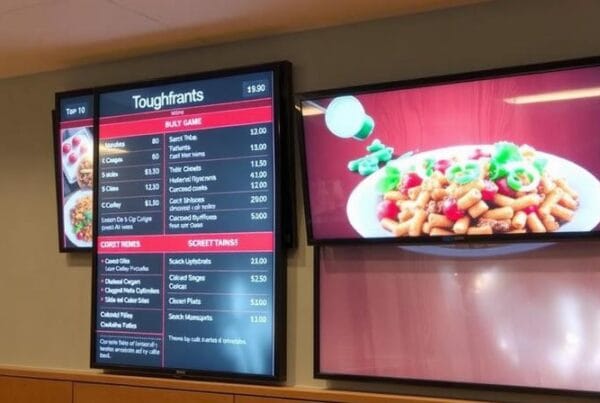
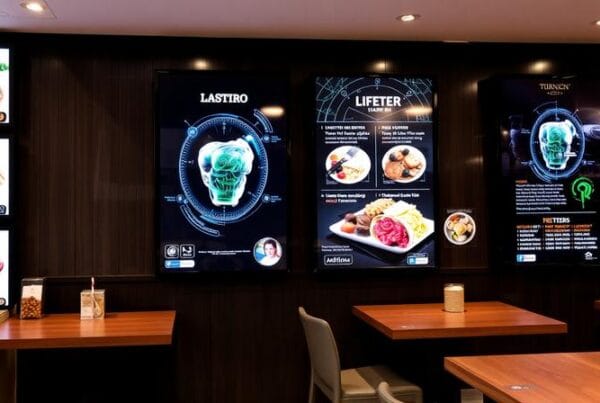
Digital signage is networked electronic signage, which can be LCD or LED or interactive screens, which are centrally controlled and updated in real time. Videos, images, live data, social feeds, menus, announcements, and performance dashboards can be used as content.
Digital signage also enables the company to update messaging in real time and at the same time across single or multiple locations compared to traditional signage that is fixed and requires time to change. It is this move towards dynamic communication as opposed to fixed content that unlocks the majority of the electronic signage benefits, such as flexibility, relevance, and scale.
III. Core Advantages of Digital Signage: Universal Benefits
Enhanced Engagement and Attention
Attention is one of the most effective benefits of digital signage. Video, movement, and animation just attract human eyes. Digital displays create much more interest and recall of the message compared to printed ones, which makes them a great tool in marketing, passing information, and telling the brand story.
Flexibility and Real-Time Agility
Digital signage enables companies to modify the information in real time through a central dashboard. Be it promoting a flash sale, updating daily menus, or communicating urgent announcements, one can edit content within seconds without printing, shipping, or human effort. This agility is one of the fundamental reasons why digital signage is helpful in the contemporary fast-paced settings.
Cost Effectiveness Over Time
Although there is a setup cost, the digital signage saves on long-term costs. Physical signage, printing, replacing, and distributing it are expensive in the long run. Digital signage will remove these recurring expenses and allow the content to be changed indefinitely.
Consistent Branding Across Locations
It is also difficult to maintain a uniform message in different places in case of static signage. Digital signage will be used to make sure that the branding, promotions, and tone are consistent across the board. This builds brand reputation and gives a contemporary professional image.
Clear and Effective Communication
Digital signage enhances the exchange of information. Safety notices, KPIs, announcements or event updates are more noticeable and remembered when displayed on moving screens than on paper notices.
Digital signage turns communication from static instructions into living messages.

IV. Quantifying the Impact: How Effective Is Digital Signage?
The main question is how effective digital signage is as compared to the traditional modes of communication. This response is supported by the reliable data on industries and practical outcomes.
Digital signage has been demonstrated to bring significant sales to the promoted goods, especially in retail and food settings. Dynamic displays also enhance the dwell time by ensuring a customer spends more time in a space. Digital signage is always more likely to be recalled as opposed to the static signs and this directly influences brand awareness and the buying behavior.
This is made effective by psychology. Motion is attractive, graphics are emotive, and contextual messaging such as what is presented, where, and when is more relevant and convincing.
When the message moves, the customer stops and looks.
V. Industry-Specific Benefits of Digital Signage
A. Digital Signage Retail Benefits
Digital signage is a direct sales driver in the retail setting. Promotional deals for specific products lead to impulse buying and attractive visuals will reduce waiting time at the checkout. There are also the digital displays that add to the overall in-store experience, which provides styling tips, product highlights, and brand storytelling.
B. Benefits of Digital Signage for Marketing
Digital signage provides agile campaigns which can be modified on the fly with regard to the marketing aspect of the same. The scheduling of content can be done based on time, location, or audience, and it can be integrated with social media and data feeds to make displays up-to-date and current. This renders digital signage as one of the most adaptable marketing mediums that can be used.
C. Benefits of Office Digital Signage
Digital signage enhances internal communication and alignment in offices. Corporate news, KPIs, announcements are shown in a transparent and consistent manner and recognition screens increase morale. Digital signage is also associated with bettering visitor experience by use of welcome screens and wayfinding.
D. Benefits of Digital Signage in Malls and Public Venues
Digital signage is useful in shopping malls and large facilities since it builds advertising revenues, advertises tenant offers, and offers interactive directories. Digital signage is also very important in safety and this provides real-time alerts and announcements in large areas.
The same screen can inform, advertise, and guide—at the same time.
VI. Amplifying Results: Benefits of Digital Signage Software
Digital signage is not worth the whole thing without appropriate software. Digital signage software has much more than merely playback advantages.
Cloud-based management enables teams to manage screens remotely, and campaigns can be scheduled and automated to run days, weeks, or seasons without human intervention. Embedded templates make content creation easier and do not require sophisticated design tools.
Integration features make signage integrated with live data like POS systems, social media, or even APIs, making content current and up-to-date. Monitoring and reliability tools keep the screens online, and a response is sent in case an issue occurs.
Software is the brain that makes digital signage truly effective.”

VII. Why Partner with Nento?
Nento combines all the established digital signage advantages, such as engagement and flexibility, as well as scalability and reliability, in a single solution. Nento has industry-specific templates, white-glove onboarding, and 24/7 support, which means that businesses do not only install screens, but they also get results.
The platform is scalable to your organization regardless of whether you operate in one location or a worldwide network. This is a blend of technology, expertise, and support, which renders digital signage effective in real-life operations.
Ready to harness the full benefits and proven effectiveness of digital signage for your business? Get your free demo and quote today.
VIII. Frequently Asked Questions
How effective is digital signage really?
Digital signage increases sales, interaction, and communication. ROI is the result of the higher revenue, lower printing expenses, and higher efficiency.
What are the main benefits of digital signage for small businesses?
Lower cost, updated brand image, flexibility in advertising, and better customer interaction without huge running costs.
Are there benefits of digital signage in offices?
Yes. Digital signage in the office enhances cohesion, motivation, and delivery of crucial information to all.
Why not just use a USB drive instead of software?
USB solutions are not scalable, automatable, or real-time controlled. The digital signage software allows the central management and agility.
How do I measure digital signage effectiveness?
They are sales uplift, dwell time, engagement rates, and operational efficiency. The analytics tools of Nento can be used to monitor performance.
What does a digital signage solution typically cost?
The prices depend on the size and functionality, yet flexible subscription plans imply that the advantages may be returned on the investment in a short amount of time.
Don’t just read about the benefits—experience them.
See how Nento makes digital signage incredibly effective for your organization.