I. Introduction: The Impactful Legacy of Plasma in Digital Signage
Display quality has been a determining factor for businesses that depend on visual storytelling. Rich colors, deep blacks, and motion in video content have always been the hallmark of high-quality viewing experiences—particularly when the image impact is as important as raw brightness.
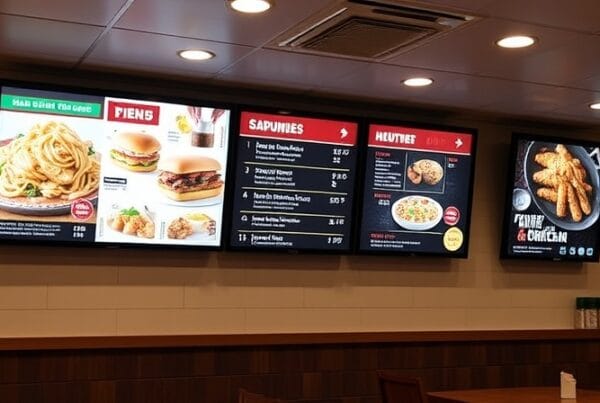
This is where digital signage plasma screens have historically established their reputation. Plasma displays were used in controlled light settings, where they were known for having high contrast and the closest reproduction of natural color, which made them the gold standard of visual communication in large format.
Even though display technologies are still in development, it is still important to understand the strengths and weaknesses of plasma screens, especially when considering digital signage screen sizes and the old installations that are still in use nowadays.
Display technology may change, but visual expectations never do.
Ready to create a visually stunning display? Contact Nento today for a free consultation on your digital signage needs.

II. What Is a Plasma Screen? The Technology Explained
Understanding What a Plasma Screen Is
To answer the question that most people have—what a plasma screen is—it is a display technology that involves the use of millions of small gas-filled cells that are sandwiched between glass layers. These cells produce ultraviolet light when electrically charged, and this light, in turn, excites phosphors to emit visible color.
Plasma displays are self-emissive, unlike LCD or LED displays that use backlighting. The pixels themselves produce their own light, and therefore, the brightness and contrast can be controlled with very high precision.
Why Plasma Looked Different
This self-emissive architecture provided the plasma televisions with their characteristic advantages, namely deep blacks, smooth gradation, and natural motion. Plasma displays provided a clear benefit in situations where the digital signage application is more about the visual immersion than the brightness.
III. Plasma vs. LCD: Choosing the Right Display for Your Signage
Plasma LCD Screens Compared
When comparing plasma and LCD screens, the differences are apparent when considered through a signage-focused lens as opposed to a consumer TV prism.
Plasma televisions excelled in contrast, black depth, and viewing angles. Video-intensive and cinematic loop content, or brand narration, appeared more natural and fluid.
LCD displays, conversely, advanced due to increased brightness levels, reduced form factor, reduced energy use, and no burn-in risk. These benefits caused the LCD and LED technologies to be more appropriate in the bright windows of retailers and 24/7 operations.
Where Plasma Still Made Sense
Plasma TV displays worked best in controlled lighting environments like luxury lounges, theaters, high-end retail spaces, executive boardrooms, and corporate lobbies where the glare was low, with image quality being the priority.
Unsure which display technology is right for your space and content? Let Nento’s experts guide you to the perfect solution.

IV. The Critical Factor: Digital Signage Screen Sizes & Dimensions
Understanding Digital Signage Screen Sizes
Technology is not always the most important factor when it comes to selecting the right digital signage screen sizes. The size of the screen has a direct effect on the readability, engagement, and professionalism.
In the past, large plasma televisions were commonly associated with plasma TVs, and the size of the screen was 42 to 65 inches, with some installations above 70 inches. Although the production of plasma has stopped to a large extent, some of these screens are still in use today.
Matching Screen Size to Environment
Digital signage size should always be chosen based on the viewing range, density of the content, and the environment in which it is installed. One of the most popular recommendations is the 10x rule, according to which every foot of viewing distance corresponds to approximately 10 inches of screen size.
| Typical Plasma Screen Size | Best for Digital Signage In | Optimal Viewing Distance |
| 42″–50″ | Meeting rooms, small retail | 5–15 feet |
| 55″–65″ | Restaurant menus, hotel lobbies | 10–20 feet |
| 70″+ (legacy) | Large lounges, concourses | 15+ feet |
The right screen size does more for engagement than the highest resolution.
Maximize your ROI by choosing the perfect screen size. Nento’s design team can provide a full site analysis and size recommendation.
V. Advantages of Plasma Displays for Specific Signage Applications
Visual Performance Where It Matters
Plasma screens offered exceptional color depth and contrast and were therefore perfect with regard to brand storytelling, luxury advertising, and film loops where realism was critical.
Wide Viewing Angles
Plasma LCD TV screens could be viewed at sharp angles and preserve color accuracy. This proved useful in showrooms, waiting rooms, and open spaces where viewers approached from multiple angles.
Supporting Legacy Installations
There are still numerous organizations using plasma television display systems that were previously installed when the digital signage rollouts were in place. These displays can continue providing value in the contemporary signage networks with the proper content strategy and software management.
VI. Important Considerations and Potential Drawbacks
Although plasma screens were advantageous, they brought about challenges in operation that the current deployments should take into consideration.
The most important risk is the screen burn-in, especially in situations where the screen is displayed with static logos or UI components. Plasma is also not suitable in installations facing the sun or in the open air due to brightness limitations.
Also, the plasma displays are heavier and bulkier and use more energy as compared to current LCD or LED models. The secondary markets and already available inventory are now the only option, and long-term replacement planning is necessary.
VII. Future-Proofing Your Digital Signage: The Nento Approach
Looking Beyond the Screen
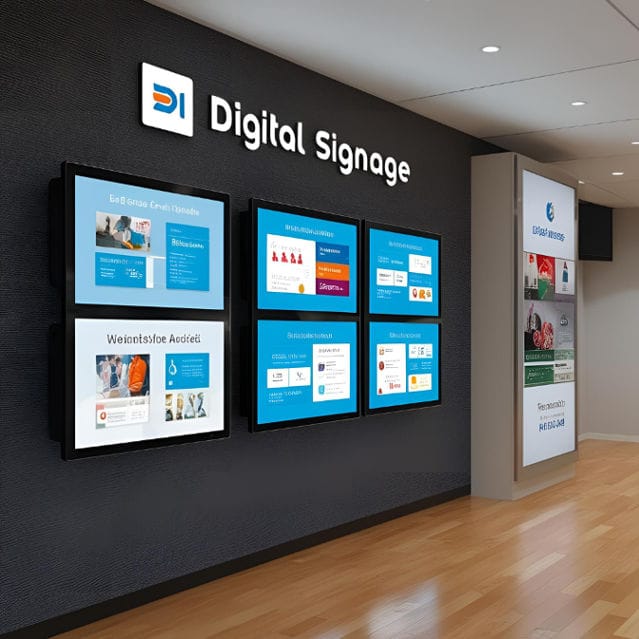
Good digital signage is not only about the display. Long-term success depends on the quality of content and logic regarding the timing, installation, and centralized control.
Nento has a holistic strategy by supporting legacy plasma systems and the new display technologies under one management ecosystem.
Modern Alternatives with Similar Strengths
The modern LCD and Direct View LED models are designed to emulate most of the advantages of plasma, including improved contrast, wide viewing angles, and smooth motion, without encountering the burn-in issues and offering superior energy efficiency.
Future-proof signage balances visual impact with operational reliability.
From legacy plasma to cutting-edge LED, Nento manages your entire digital signage ecosystem. Explore our comprehensive content and hardware management services.
VIII. Frequently Asked Questions (FAQs)
Can I still buy new plasma screens for digital signage?
The new plasma screens are no longer produced at scale. In new installations, Nento normally suggests commercial-quality LCD displays or Direct View LED displays that address the historical shortcomings of plasma.
Is burn-in still a concern for plasma signage?
Yes. The management of the static elements should be carefully managed with the aid of content rotation, pixel shifting, and screen savers. The content management tools sold by Nento can alleviate this risk.
How do consumer plasma TVs differ from commercial signage screens?
Commercial screens are made for continuous operation, have a better heat management design, and have more duty cycles. TV screens in consumer plasma were not designed to be used in the 24/7 signage.
How do I determine the best digital signage dimensions?
The best digital screen size is based on the viewing distance, sightlines, and density of the content. Nento has a professional site audit, through which ideal sizing is established.
Can Nento help integrate existing plasma displays?
Absolutely. Nento will be able to adopt the current plasma screens into a modern signage platform and schedule upgrades in areas.
IX. Conclusion: Visual Excellence in the Digital Age
Plasma displays made their digital signage history by ensuring that they provided an outstanding visual display at the point when it was needed the most. Although newer technologies nowadays prevail in new deployments, the knowledge of the strengths of plasma, as well as the choice of the appropriate digital signage screen sizes, is essential to successful visual communication.
Effective signage incorporates the appropriate hardware with attractive content and professional management. Nento allows businesses to integrate legacy systems with modern displays into an integrated, future-ready network.
Don’t let technical complexities dim your message. Partner with Nento to design, deploy, and manage a digital signage network that captures attention and delivers results.