I. Introduction: The Evolution of the Dining Experience
Modern diners demand more than just good food. They demand promptness, transparency, customization, and a smooth experience from the moment they are seated until the time they pay. With the age of smartphones and on-demand service, physical printed menus can sometimes be cumbersome, rigid, and old-fashioned.
The same problems have persisted in restaurants: high reprinting costs, inconsistent menus, mistakes in orders during peak times, and operational bottlenecks between front-of-house and kitchen. These problems have a direct effect on customer satisfaction and revenue.
It is at this point that the restaurant electronic menu emerges as a practical solution. Electronic menus transform the entire dining process through the integration of dynamic digital displays with interactive ordering features. Nento goes a step higher and provides a complete restaurant electronic menu ordering and payment system where display, ordering, and insights are all incorporated in a single platform.
Modern dining is no longer just about taste—it’s about experience, speed, and control.
II. What Is a Restaurant Electronic Menu System?
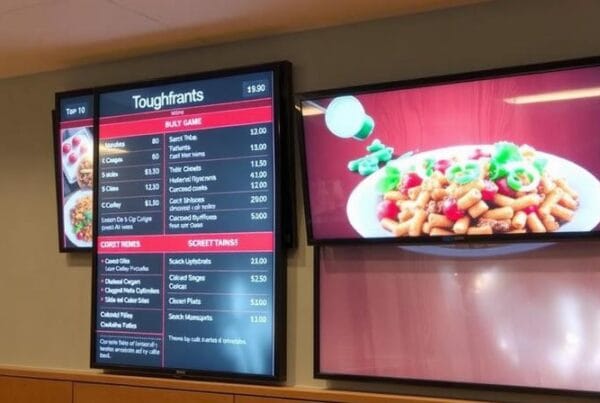
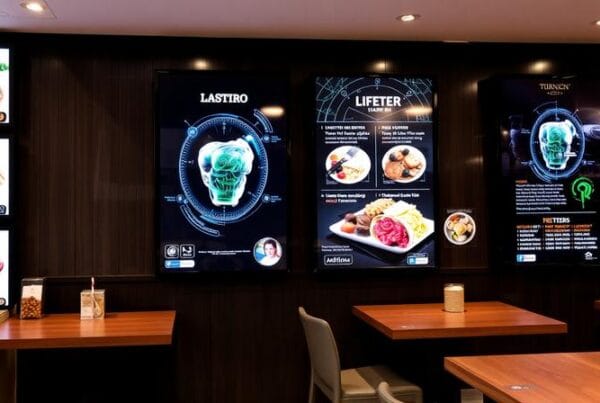
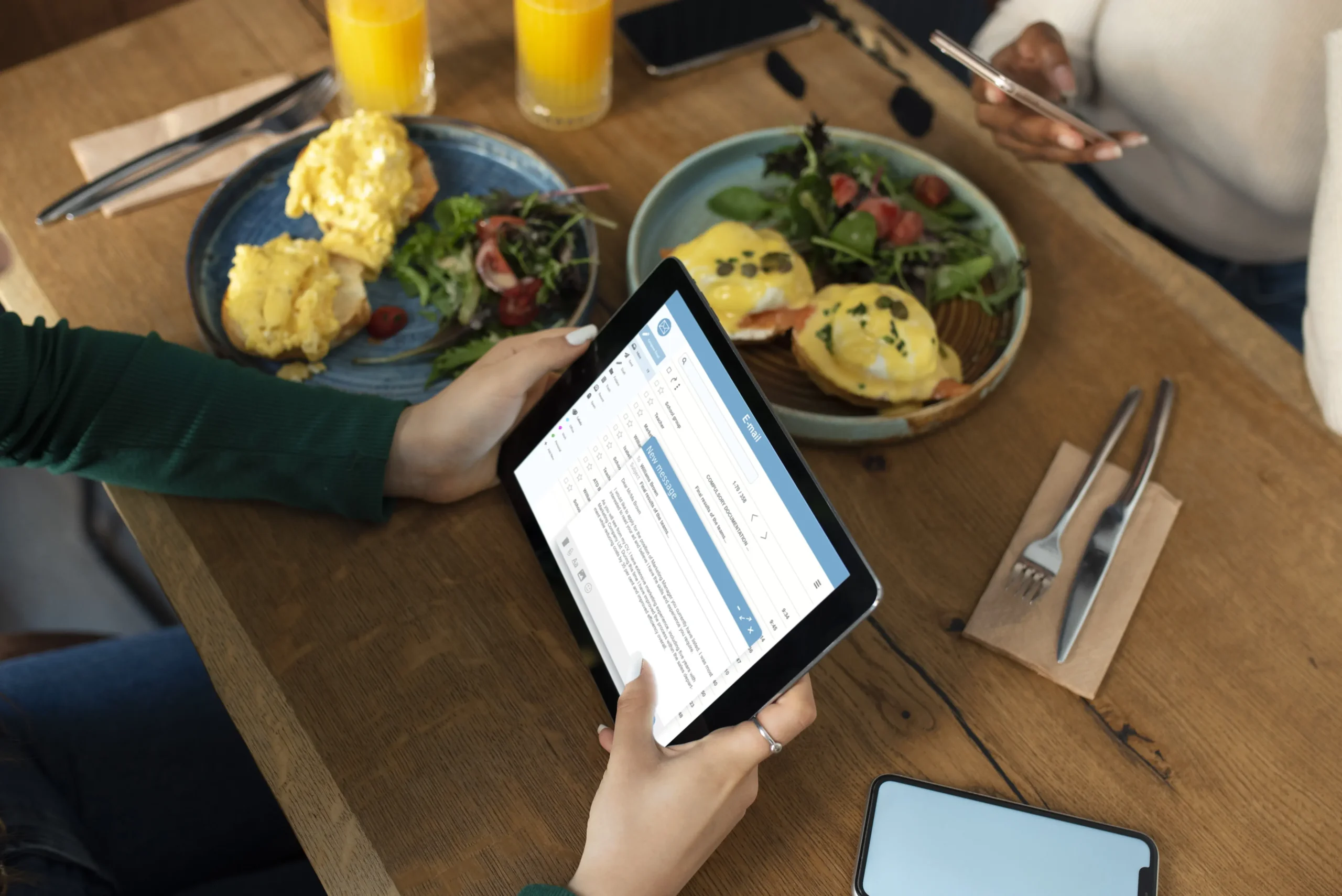
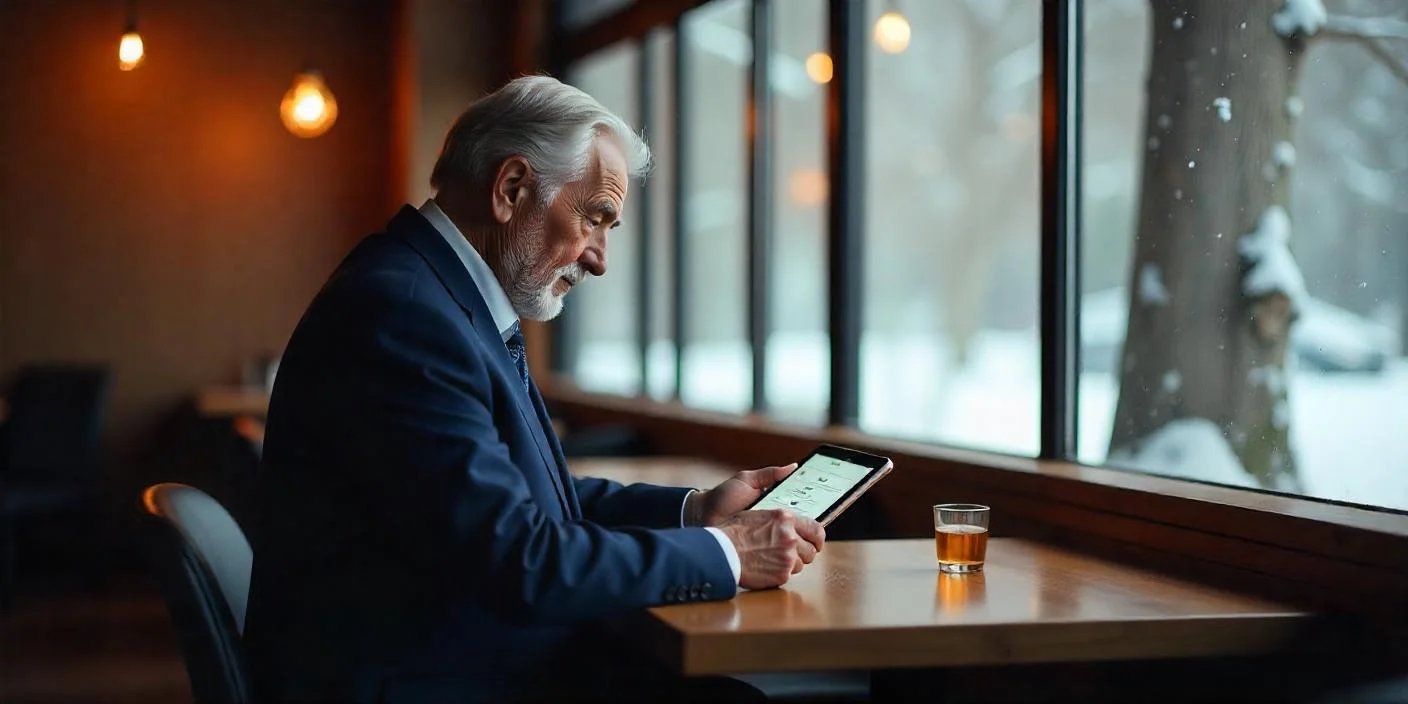
A restaurant electronic menu system is an interactive digital system that substitutes paper menus and extends beyond merely displaying a PDF on a screen. It may be in the form of a tech table menu (tabletop tablets), a kiosk, or a wall-mounted display, which will be structured to show menu contents in an easier, more interactive format.
Hardware
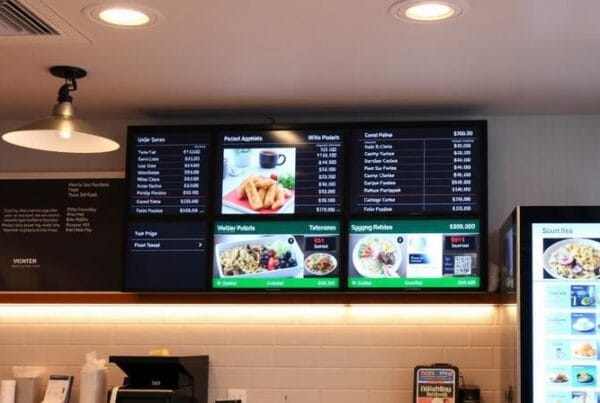
This is in the form of tabletop tablets to be used at the table, self-service kiosks to order fast, and large digital boards on the counters or the bar. The appropriate format will be determined by how much faster you want to move lines, how many additional upsell opportunities you will have, or how easy the menu is to navigate in the busy locations.
Software
The system is powered by the software. It enables you to revise prices, descriptions, images, categories, and availability immediately on all screens. This is what a scalable signage system should be based on, and it is just as scalable to dining: all the displays are centrally controlled and do not need to be updated manually.
Beyond a Simple Display
When the electronic menus are linked to the ordering processes, they eliminate the friction between the selection made by the guests and the kitchen preparation. This transforms the system into a working tool and not just a showpiece.
III. Key Benefits of Implementing an Electronic Menu Ordering System
Enhanced Customer Experience
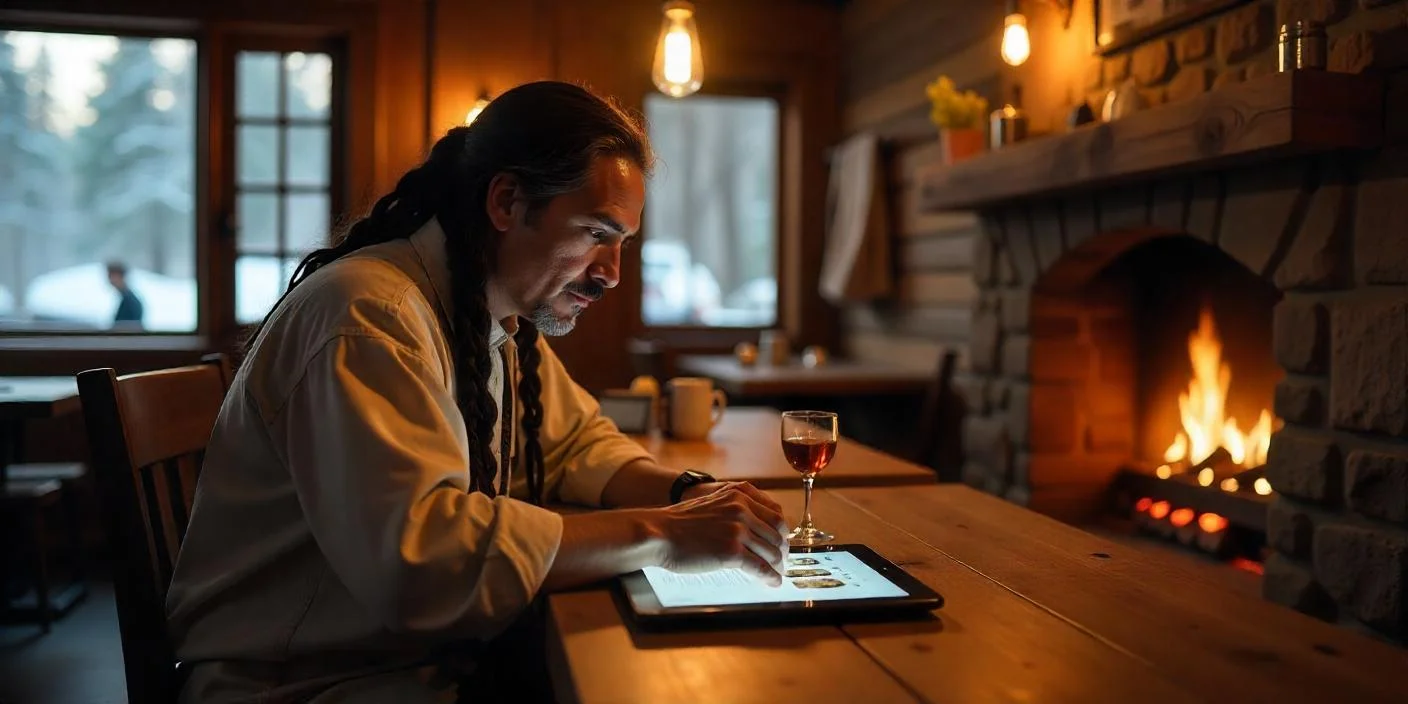
Electronic menus take the dining experience to a new level by making it both visual and interactive. The quality of food images, concise videos, and understandable descriptions can enable the guests to make decisions more quickly and confidently. Customers are able to learn about ingredients, allergens, and dietary filters (vegan or gluten-free) without staff clarification.
Interaction also lowers the perceived wait times. The service becomes quicker and more controlled when the guests are able to browse and place orders using an electronic menu ordering system.
Restaurants using interactive electronic menus often report smoother peak-hour service with fewer guest complaints.
Streamlined Operations and Higher Efficiency
Electronic menu ordering eliminates operational friction. Orders that are made using the system are dispatched directly to the kitchen or POS in order to minimize miscommunication and errors in manual entries. This enhances precision and reduces preparation periods.
Smart upselling is also possible on the system. Automated prompts on add-ons, combos, or limited-time offers will boost average order value without overloading the staff.
Unmatched Agility and Control
Real-time control is one of the best benefits of a restaurant electronic menu. Prices can be changed on the spot, items can be marked as sold out, and menus can change automatically depending on the time of day. Breakfast, lunch, and dinner transitions are smooth without the need for staff intervention.
This is particularly useful in promoting restaurants with promotions, seasonal menus, or dynamic pricing.
Improved Hygiene and Sustainability
E-menus eliminate physical contact and paper wastage. Contactless browsing, ordering, and payment facilities meet the current hygiene requirements, and the repetitive expense and environmental harm of printed menus are eliminated.
IV. The Nento Solution: More Than Just an E-Menu for Restaurants
Nento’s All-in-One Platform for Smart Dining
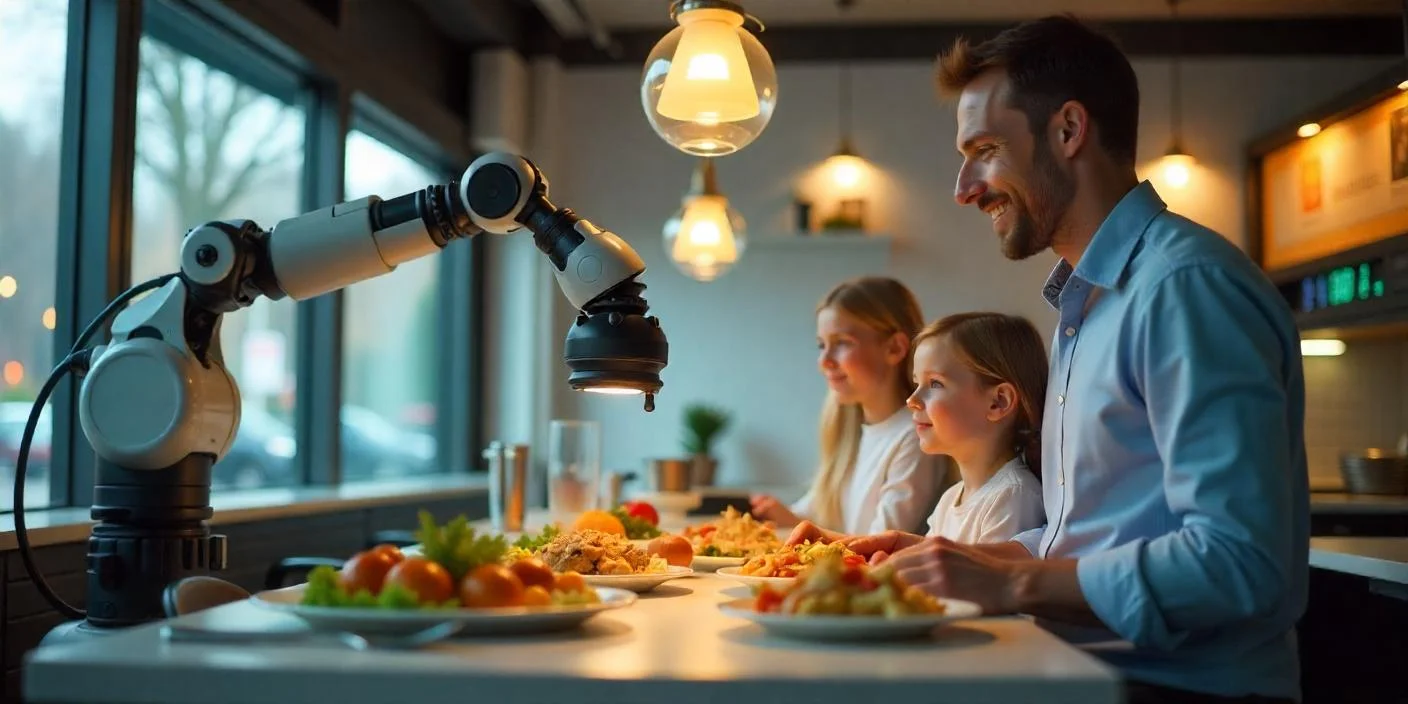
Nento is not just a simple restaurant e-menu platform, but it is a fully integrated one. Display, ordering, and payment operate as one system as opposed to independent tools.
Key Features
Intuitive Content Manager
Menus can be updated fast without technical know-how. This suits daily specials, seasonal products, and adjusting prices well.
Flexible Hardware Options
Nento allows a variety of formats to select the appropriate approach to the model of services, design, and customer traffic.
Robust Ordering & Payment Gateway
The payments may be incorporated into the flow, which supports the modern checkout experiences and addresses the security needs.
Analytics Dashboard
Restaurants can know what sells, when it sells, and what upsells best—useful in menu engineering and promotion planning.
Ready to see how Nento transforms your service flow? Schedule a free demo of our complete electronic menu system.
Nento turns menus into measurable business intelligence.
V. Planning Your Implementation: A Step-by-Step Guide
An electronic menu system can be implemented by first understanding the needs of your restaurant. Restaurants that focus on fine dining can choose to place additional emphasis on tableside technology such as table menus, whereas quick-service restaurants can have more advantages with kiosks or boards placed on the wall.
The next step is to select the appropriate hardware. Tablets are effective with the personalized and seated experience, whereas kiosks facilitate large-scale ordering. Restaurant large electronic menu boards should be placed on counters and in open kitchens.
Content is an important factor in success. Engagement is enhanced by professional food photography, brief descriptions, and pricing. Lastly, employee education is a way to a smooth adoption. Resistance fades quickly when teams are aware of how the restaurant’s electronic workflow can assist them.
VI. Addressing Common Concerns
The first consideration is usually cost. Nevertheless, electronic menus should be regarded as an investment, not a cost. The ROI of savings on printing, shorter table turnover, fewer errors, and increased order values are usually realized in months.
The other question is reliability. The cloud-based infrastructure offered by Nento is resilient and has backup and support services to reduce downtime. The adoption of customers is hardly a problem when interfaces are easy to use and employees are on hand to help in the transition effort.
Most restaurants see faster adoption than expected when electronic menus are designed intuitively.
VII. The Future Is Digital
Electronic menu ordering systems are no longer experimental; they are becoming a standard of competitive and customer-oriented restaurants. Display, ordering, and insights combined create a faster, smarter, and more engaging dining experience.
Nento offers restaurants a fully integrated and data-driven option, with menus not only displayed but also, in fact, working on performance improvements.
Transform your restaurant with Nento’s intelligent digital signage and ordering ecosystem. Contact our team today for a custom quote.
VIII. Frequently Asked Questions (FAQs)
What’s the difference between a digital menu board and a full electronic menu ordering system?
A digital board primarily presents the content. The entire restaurant electronic menu ordering payment system combines display, ordering, and payment into a single smooth process.
Is this suitable for small restaurants?
Yes. E-menu solutions of restaurants are scalable. Nento provides customized packages that can be applied to small and medium-sized restaurants.
How easy is it to update menu items and prices?
Updates are fast within the Nento cloud-based system and do not need technical skills.
Can customers still pay with cash?
Yes. Hybrid workflows can be supported by the systems, and when necessary, the staff can be asked to order digitally; cash or card payment is accepted.
What happens if the internet goes down?
Menus will not be gone, and the orders will be saved on a local machine and will be synchronized once connectivity is restored.
How are tech table menus kept hygienic?
Nento suggests easy-to-clean tablet cases and standardized sanitization protocols between seatings that are waterproof.
Restaurant electronic menus are not just changing how menus look—they are redefining how restaurants operate. With Nento, the future of dining is already here.