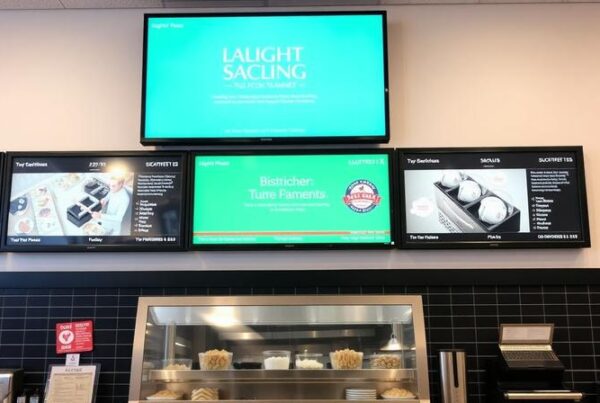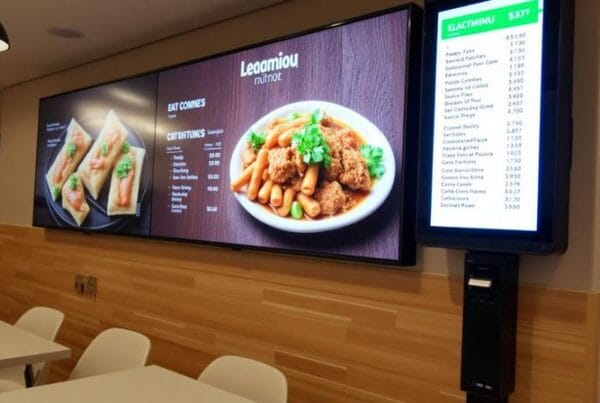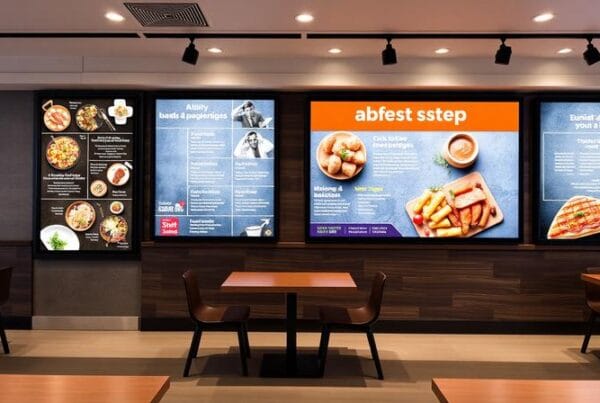
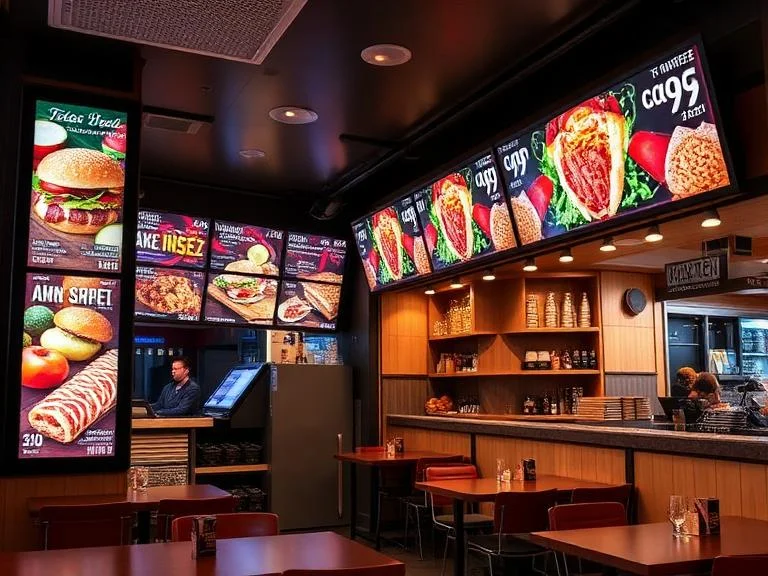
I. Introduction: The Future of Restaurant Menus Is Digital
Restaurant menus are no longer a fixed asset. Printed menus are not keeping pace with operational and customer needs in a hospitality setting that is fast, personalized, and continually changing. With the trend of restaurants shifting to smarter, more responsive systems, digital menus have ceased to be an upgrade but are now a necessity.
The selection of the best digital menu board software in 2026 is now a strategic move, which influences efficiency, sales performance, and brand perception. Digital menu board apps are now much more than just screen-controlled, with cloud management, extensive integrations, and automation that could facilitate the real-life restaurant processes.
This guide examines the future of digital menu technology in 2026, lists the top companies in the digital menu board industry, and discusses how to choose the most appropriate platform for your restaurant.
Ready to modernize your menu? See how Nento’s intuitive platform is built for the future of dining.
In 2026, menus are not just displayed—they are managed, optimized, and monetized.
II. Why Digital Menu Boards Are Essential in 2026
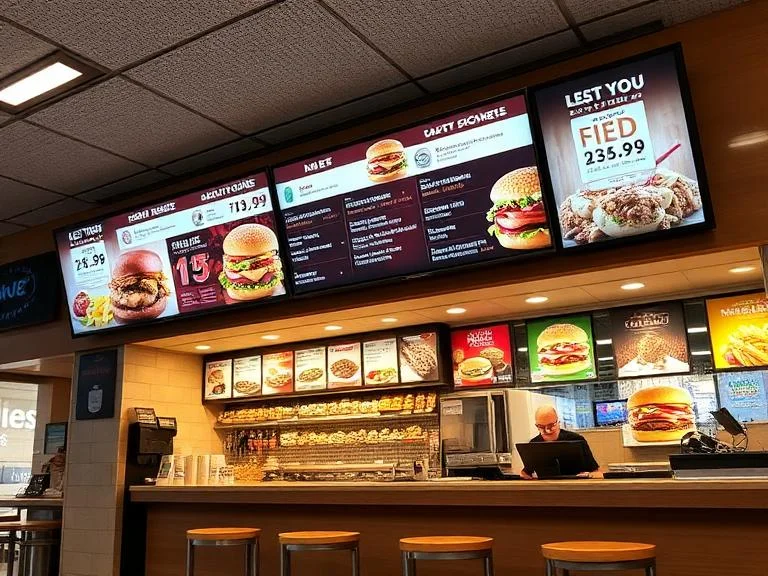
The restaurants are in an industry where speed and precision are directly related to revenue. Online menus offer a competitive edge that is difficult to overlook: they allow real-time updates, automatic switching of menus, and centralized control of the menu across the locations.
Digital menu board software enables restaurants to update the menu instantly, draw attention to limited-time offers, change the menu by daypart, and save staff time on manual menu updating. When the menus are constantly updated and the consistency of the brand becomes simpler to achieve across various screens and locations.
The industry has also changed from using generic digital signage software in restaurants to specialized digital menu application platforms. These systems are food service specific, which incorporates menu logic, visual merchandising, and operational integration into one system.
III. Key Features to Demand from Digital Menu Board Software in 2026
Cloud-Based Management as the Standard
The concept of cloud-based control is no longer a choice. The most superior ones enable the updating of menus anywhere, anytime, and everywhere. This is required in multi-site operations and high-paced environments.
Intuitive Design and Advanced Digital Menu Design Software
The modern digital menu software needs to balance the visual quality and ease of use. Drag-and-drop editor and templates created by professional designers enable teams to make refined menus without having to hire a designer or write a single line of code.
Deep Third-Party Integrations
Standalone systems friction exists in 2026. The most efficient digital menu board software is the one that is also connected to POS systems, kitchen displays, inventory management, and delivery services. This guarantees consistency in pricing, availability, and promotions across channels.
AI and Automation Capabilities
The future generation of electronic menu software is being influenced by automation. Promotional schedules and menu updates, since they are triggered by inventory, and intelligent pricing updates achieve this by reducing human control and enhancing responsiveness.
Advanced Scheduling and Reliability
Menus have to fit perfectly for breakfast, lunch, dinner, holidays, and special events. Meanwhile, there is no compromise on reliability. Proactive monitoring, uptime guarantees, and local caching will ensure that the menus are always visible even when there is a network disruption.
IV. Review of Top Digital Menu Board Companies & Software in 2026
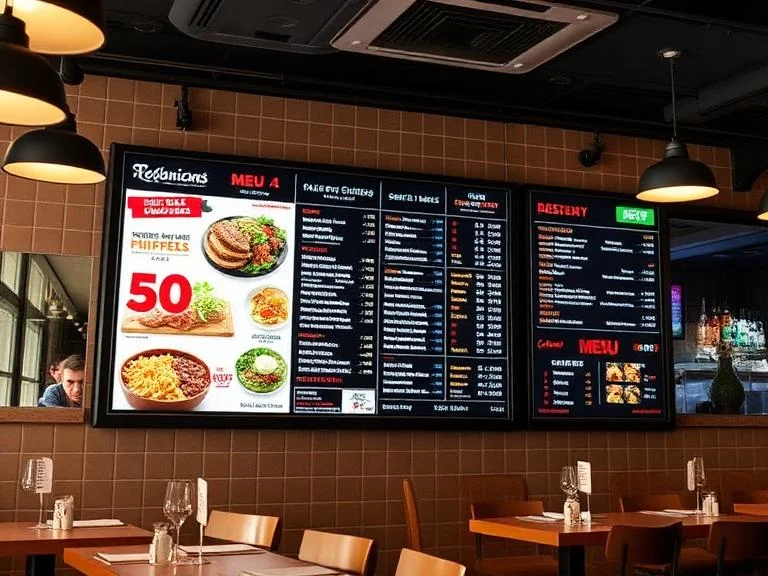
Category 1: All-in-One Restaurant-Focused Platforms
They are designed as restaurant-specific platforms with powerful menu logic, POS connection, and industry-specific templates. They are best suited to those operators who desire purpose-built tools but might not provide much customization beyond food service processes.
Category 2: Flexible Digital Signage Giants
There are large digital signage software vendors that can be modified to menus. These platforms are powerful, but they tend to be more configured and technological, necessitating more team effort that is more relevant to menu management.
Category 3: Modern, Intuitive Challengers
This category represents the new generation of the best software for digital menu boards in restaurants, combining simplicity with advanced capability.
Here, Nento is a future-oriented platform and would be relevant in the year 2026. The digital menu design software is focused on usability, speed, and integration but with the flexibility required by growing brands. Nento provides a balance between power and user-friendliness with restaurant-oriented templates, flawless POS integration, and customer services.
Experience the Nento difference. Schedule a personalized demo and see why it’s ranked among the best digital menu board software in 2026.
The best platforms disappear into the workflow—they don’t slow it down.
V. How to Choose the Best Software for Your Restaurant
The first step in choosing the appropriate digital menu application is to understand your operational model. The priorities of quick-service restaurants, full-service dining, and multi-location brands are varied.
Demos and trial periods are necessary. They show the level of the software’s intuitiveness and its compliance with the everyday work processes. The total cost is to be considered as well, besides the subscription fee, such as the hardware compatibility, installation work, and after-sale support.
Reputation matters. Reviews, case studies, and references will give an idea of the performance of digital menu companies post-deployment and not only onboarding.
Unsure which features you need? Nento’s experts provide free consultations to build the perfect solution for your business.
VI. Implementing Your Digital Menu Boards: A Quick-Start Guide
The first step to successful implementation is to choose the appropriate screens and media players in your area and lighting environment. The content design must be focused on clarity, readable prices, and quality images to make fast decisions.
A menu system integrated with POS and kitchen operations is accurate and efficient between the order and fulfillment. The process is completed with staff training so teams understand how the digital menu software will facilitate service and not make it more complicated.
The smoothest launches happen when technology fits the operation—not the other way around.
VII. Frequently Asked Questions (FAQs)
How much does digital menu board software cost?
The majority of platforms apply the SaaS model, where the price is per screen or location on a monthly basis. Prices differ depending on capabilities, integrations, and support.
Can I update my digital menu board from my phone?
Yes. The majority of the digital menu board applications, such as that of Nento, can be updated on the fly on a mobile device.
What’s the difference between generic signage software and digital menu software?
Specialized digital menu software has menu templates, food-specific layouts, and POS integrations, which generic signage tools do not have.
Do I need a designer to create menus?
Not usually. The most effective digital menu design software has professional templates that can easily be customized.
How do I ensure menus are always running?
Select a provider that has high uptime reliability, locally hosted content, and active monitoring, which are some of the assets of the Nento platform.
Can I show videos or social feeds on menu boards?
Yes. The contemporary platforms are accommodative of mixed content, and the menu can be displayed alongside promotional videos and live feeds.
VIII. Conclusion: Investing in Your Restaurant’s Digital Future
The right digital menu board software will be more than a display tool; it will be an operational asset by 2026. The most suitable platforms will result in efficiency, sales growth, and brand awareness due to integration, automation, and convenience.
Today restaurants investing in flexible systems that are future-ready place themselves in a position to respond to the expectations of the customer, which keep on changing.
Don’t just keep up with the competition—define it. Join thousands of forward-thinking restaurants using Nento, the best digital menu board software built for 2026 and beyond.