Introduction
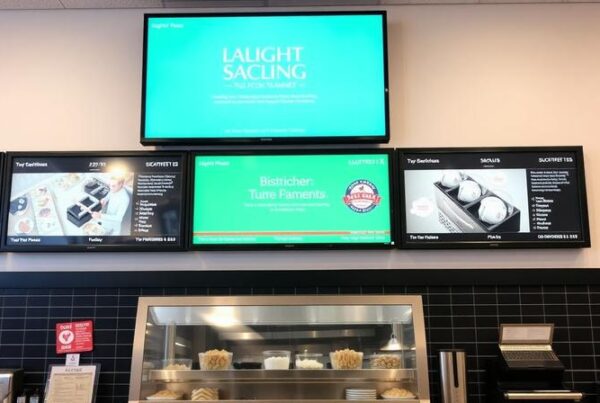
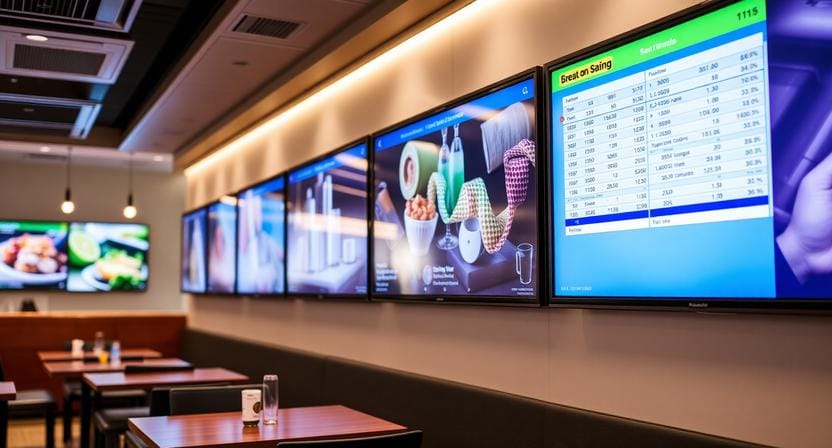
Enter a modern shopping mall, fast food restaurant, hotel lobby, or any other retail outlet, and you will find screens everywhere. They are mounted on top of counters, entryways, checkout lanes, and high-traffic areas. The question is not whether or not the screens exist. The real question is, do they work properly?
A screen with yesterday’s promotion, a frozen loading screen, or a black screen is much more damaging than most companies would think. It causes friction, erodes customer trust, and silently reduces the value of your signage investment.
This is the ‘set it and forget it’ mentality. Digital signage networks are not just digital posters. They consist of connected ecosystems made up of screens, media players, software, Internet connections, content feeds, and live data sources. Any element of such a system may malfunction.
That is why businesses are moving from basic content delivery to live data for digital signage. Rather than just displaying pre-programmed slides, modern signage now draws real-time data, reacts to the current conditions, and supports faster decision-making.
Nento assists companies to make this transition by helping ensure that messages are seen, accurate, timely, and supported by strong infrastructure.
Stop losing revenue to blank screens. See how Nento keeps your displays alive 24/7.
The High Cost of a “Black Screen”
A black screen is more than a technical problem. It is a business issue.
Once a display becomes unavailable, the business loses more than hardware value. It loses sales opportunities, paid advertising exposure, promotional visibility, and customer attention. When a screen is to advertise a limited-time special offer, direct visitors, or show a menu, every minute of inactivity costs value.
The Financial Impact
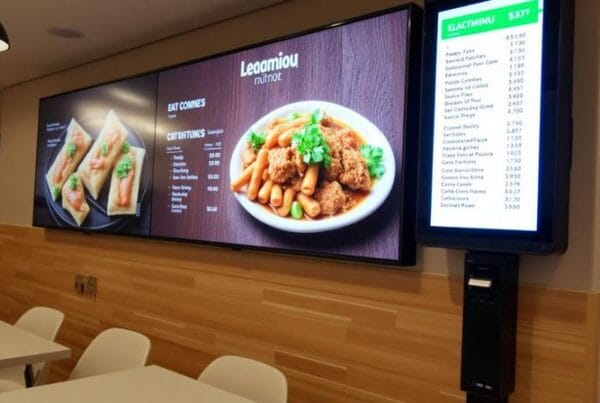
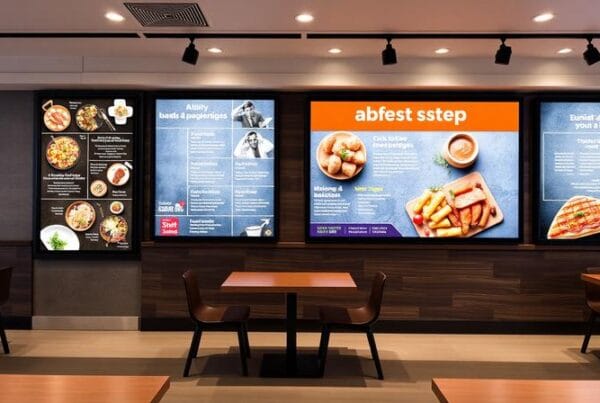
Retailers rely on screens to influence point-of-purchase decisions. They are used in restaurants to display menus, upsells, and offers. Corporate spaces use them to make announcements and visitor information. When such displays do not work, the intended message is lost.
This translates to wasted ad money, lost conversions, and poor campaign performance. A non-functional screen is unable to sell, guide, educate, or persuade.
The Customer Experience Problem
Broken digital experiences damage confidence. Blue screens, loading icons, frozen displays, and outdated offline content make the environment feel unmanaged. Customers may not know the cause of the failure, but they will be aware of the outcome.
When a brand is unable to maintain its screens, customers might wonder what else the business is not taking care of.
The Operational Burden
Without monitoring, teams often learn about problems too late. Employees have to manually check the screens, managers will have to report issues, and IT departments will have to respond after something has already gone wrong.
This is inefficient and costly. A display is not just a monitor; it is a data endpoint that has to remain connected, synchronized, and aligned with real-time displays across the network.
Redefining Real-Time: More Than Just Content Updates
Many businesses confuse scheduling with real time. They are not the same.
Scheduled updates are based on a clock. For example, a breakfast menu may play between 8 AM and 11 AM, with the lunch menu beginning at noon. That is helpful; however, it is pre-planned and fixed.
Real-time digital signage responds to real-time conditions. It is capable of updating based on inventory, weather, store traffic, social feeds, queue length, sales performance, or operational alerts.
Dynamic Content That Responds
When the temperature drops, a restaurant can promote hot coffee. A retail store can stop promoting a product that is sold out and promote another product. A hotel lobby may display the current event schedule, current weather, or shuttle delays. The real-time KPIs or meeting room changes can be shown at a corporate office.
These are not just simple playlist changes. A corporate office can show real-time KPIs or meeting room changes.
The Technical Layer Behind Real-Time Updates
Live content requires more than beautiful templates. It requires solid software, connectivity, data integrations, and monitoring. If the data feed is interrupted, the screen may continue displaying old or incomplete data.
Nento is designed to support fast data changes without unnecessary lag to enable businesses to maintain displays that are relevant and accurate even when conditions change quickly.
“Real-time signage is not about showing more content. It is about showing the right content at the right moment.”
The Silent Killer: Outage Monitoring for Digital Signage
Many businesses do not realize that a screen is down until someone complains. This is a major blind spot.
A store manager may assume the screen is running. A marketing team may think a promotion is active. A corporate team may assume an announcement is displayed in the office. However, when the screen is disconnected, frozen, or turned off.
Proactive vs. Reactive Monitoring
Reactive management only takes action when issues become visible. Someone notices the issue, reports it, and then the support process begins. By that time, the screen may have been down for hours or even days.
Proactive monitoring changes the process. Outage monitoring for digital signage detects problems early and alerts the right team before customers or staff are affected.
Software and Hardware Visibility
Strong Outage Monitoring for Digital Signage Software checks whether the player is connected, content is playing, updates are syncing, and data feeds are functioning.
However, monitoring should also account for the physical layer. Outage monitoring for digital signage displays can help detect power issues, cable problems, network outages, or device instability.
Combined, these checks give business teams confidence that screens are not only turned on but also performing as they should.
Don’t wait for the complaints. Implement proactive monitoring with Nento today.
Remote Troubleshooting for Retail Screens: Fix Before You Arrive
Retail chains often operate across multiple sites. It is time-consuming, costly, and often unnecessary to send a technician for every screen issue on many of the typical problems.
This is where remote troubleshooting for retail screens becomes valuable.
The Logistics Challenge
One branch may have a frozen screen while the support team is miles away. A media player may need a reboot. A playlist may not match the scheduled content. A volume setting may be incorrect. A data feed may need to be refreshed.
In the absence of remote tools, every small problem becomes fieldwork. That wastes time and more downtime.
What Remote Troubleshooting Can Do
Modern software enables teams to identify and resolve most of the problems through a central dashboard. Admins are able to restart the players, test connectivity, adjust screen settings, update content, and confirm what is shown.
The dashboard provided by Nento gives teams visibility into all endpoints within the network and lets them see which screens are online, which ones require action, and what issues can be resolved remotely.
Proactive Signage Monitoring in Practice
Remote digital signage monitoring helps teams to detect problems before outages occur. When one player is no longer sending a heartbeat signal, a screen is disconnected or content is not being updated, then the system can notify the appropriate individual.
This is the practical value of proactive signage monitoring: fewer surprises, faster fixes, lower support costs, and less lost revenue during peak hours.
“The best technician is not always the one who arrives fastest. Sometimes it is the software that fixes the problem before anyone leaves the office.”
Ensuring Retail Signage Uptime Monitoring: The Metrics That Matter
One of the most important metrics of a digital signage network is uptime. When screens are not operating, they are not providing value.
What Does Uptime Mean?
Uptime can be defined as the percentage of time a screen or a network is operating properly. Depending on business requirements, hardware, and reliability of the network, a professional system may target 99.9% uptime or even more.
The distinction between 99.9% and 99.99% might not seem like much, but in hundreds or thousands of screens, it can represent several hours of lost visibility.
Dashboard Visibility
Retail signage uptime monitoring needs to be user-friendly. The dashboard should show online screens, offline screens, underperforming players, and locations that need attention.
This provides managers and support teams with a clear picture of the network rather than relying on manual checks or store-level reports.
Reporting and Historical Data
Historical uptime data assists businesses to determine trends. If one screen continues to fail, then the hardware might require changing. When the Wi-Fi network keeps dropping its connection at a single location, then the network may be weak. In case a particular model of player crashes often, then it may be time to standardize better hardware.
Nento gives insight into the health of screens and content performance, so businesses can move from guesswork to data-driven maintenance.
7. The Technology Behind the Scenes
Effective signage requires coordination between media players, screens, data sources, and the content management system. The viewer is only able to observe the final result, but much is going on behind the scenes.
How Players and CMS Platforms Communicate
The CMS sends content, schedules, and rules to the player. The player runs that content on the screen, and status is reported back to the platform. This communication is often referred to as a heartbeat, as it makes sure that the endpoint is active and connected.
In the case of live data, the player can also fetch information via APIs, databases, or third-party feeds.
Why Internet Alone Is Not Enough
Stable Internet connectivity is important, but it is not sufficient. The software should be able to deal with caching, failover content, offline playback, sync recovery, and error notifications.
When there is a temporary failure of a data feed, it should not blank the screen. When the connection or feed is disrupted, it should show safe backup content until the connection is restored.
Scaling From 5 Screens to 5,000
A small business might only require a few screens, while growing networks need a more robust architecture. It is possible to control five screens manually. It is not possible to manage 500 or 5,000 screens manually.
Nento is constructed to be reliable and fast, and it enables businesses to expand the network of screens while keeping control, visibility, and performance.
Conclusion: Future-Proofing Your Visual Communication
Digital signage is no longer just about playing content. It is all about providing a dependable, data-backed experience that can be relied upon by the customers, employees, and visitors.
The shift is clear. Companies are no longer satisfied with passive screens but are shifting to connected screen networks that are driven by live data, real-time updates, remote monitoring, and proactive support.
The future is even smarter: predictive maintenance, automated content customization, smarter notifications, and even more personalized screens will be enabled by AI. However, the principle is the same: your displays need to be reliable before they can become intelligent.
A great customer experience is built on trust in your technology.
Ready to take control of your signage network? Request a live demo with Nento and see the difference real-time monitoring makes.
Frequently Asked Questions
What exactly does outage monitoring for digital signage entail?
It involves software that continuously monitors the state of every display. If a screen goes dark, crashes, stops playing specific content, fails to update, ceases to play particular content, or does not update, the administrator receives an alert. This makes operations proactive instead of reactive.
How does remote troubleshooting for retail screens save money?
Remote troubleshooting enables technicians to diagnose and resolve numerous problems remotely. This reduces travel expenses, minimizes downtime, and eliminates site visits when there are minor software or player problems. Nento’s platform enables teams to reboot and resolve screen issues from anywhere.
Is live data different from regular digital signage content?
Yes. Traditional signage typically displays videos or pictures on a schedule. Live data displays use real-time information sources, such as stock levels, social media feeds, weather, news, or queue information. This needs to be monitored more intensively to make sure the data is pulling correctly.
What is the average uptime I should expect from a professional system?
Nento aims to achieve 99.9% uptime, but the performance may vary based on hardware quality, Internet reliability, and local network conditions. The key is that monitoring software will notify you right away in case your screen uptime falls below the desired level.
Can Nento monitor screens that are offline or in remote locations?
Yes. Nento’s remote digital signage monitoring system monitors player heartbeat connections. In case a device shuts down, Nento logs the downtime and notifies staff.
Why are real-time updates important for retail?
Consumer behavior changes quickly. Real-time signage updates enable the retailers to avoid promoting out-of-stock products, highlight clearance items, change promotions, or even adjust queue-time messaging based on store traffic. This keeps displays relevant and business-focused.