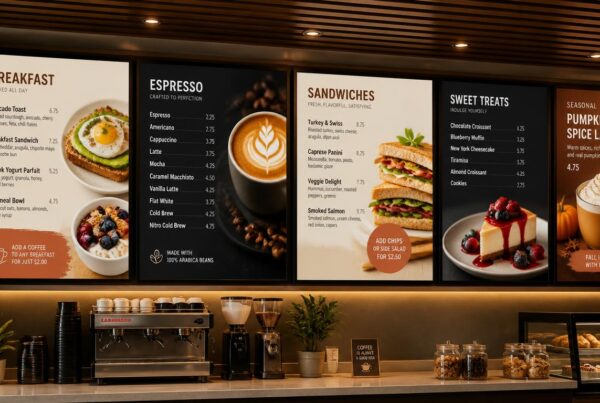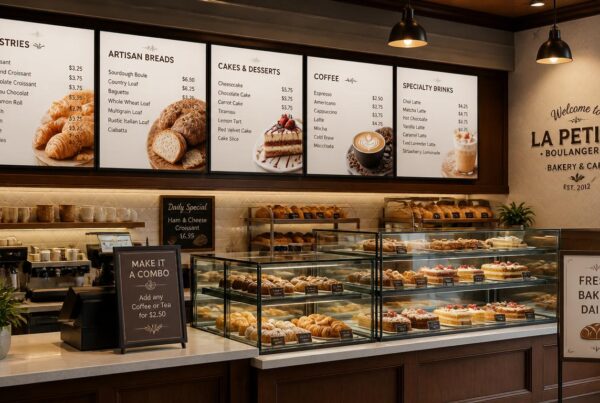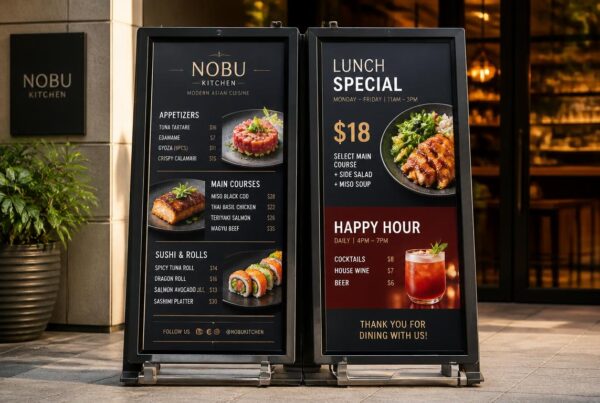
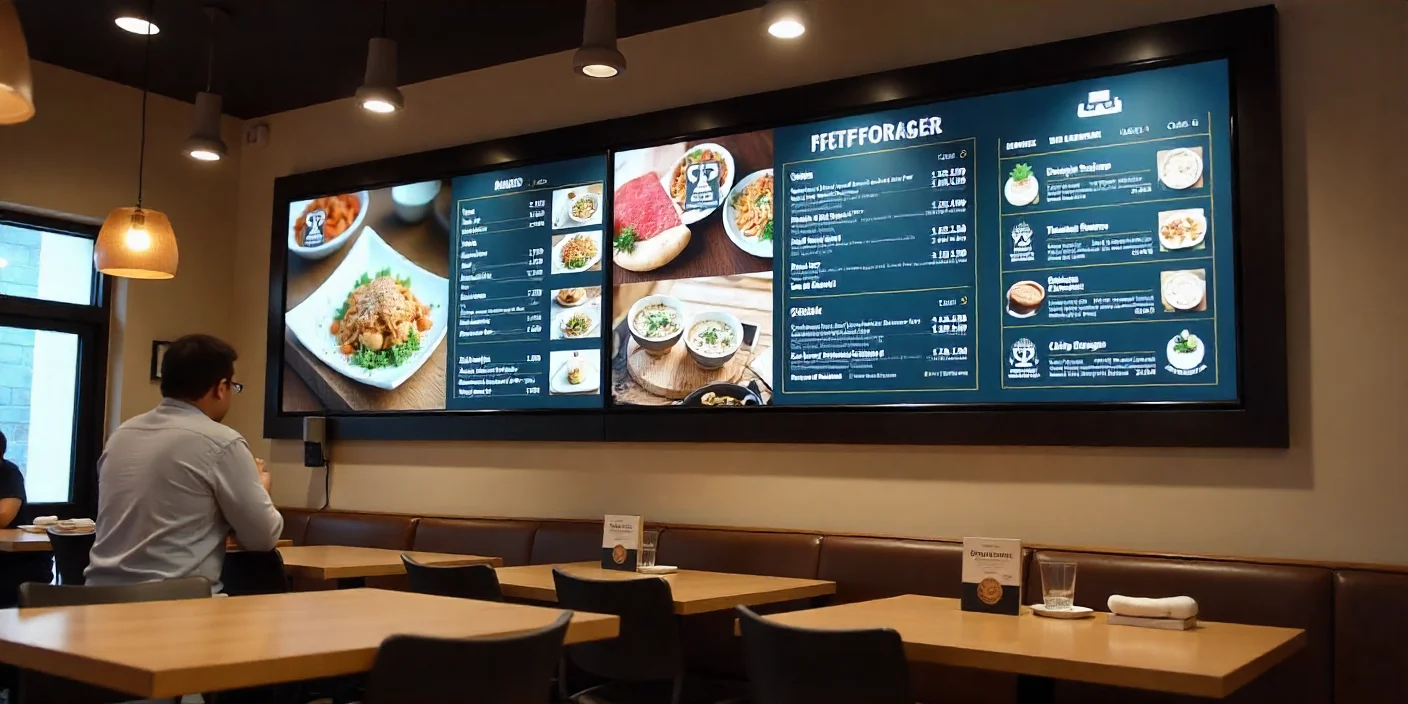
Introduction
Many restaurant owners ask one simple question: Is this going to break the bank? Digital menu boards are contemporary, adaptable, and professional; however, the prices may be confusing. A vendor will bill software fees on a monthly basis; another will offer hardware bundling; another will include installation; and some will not specify the design or update expenses until later.
This is the reason why the digital menu boards price cannot be understood by asking for one flat number. The actual price depends on the hardware, software, installation, content design, support, and the frequency with which you change your menu. If you compare only the first quote, you might fail to see the bigger picture.
Nento simplifies the process by focusing on transparency, software-first value, and flexibility. Nento will enable you to manage menus, pricing, and promotions with a single, easy-to-use platform instead of locking restaurants into costly proprietary hardware or unclear update charges.
By the end of this guide, you will understand how much digital menu boards cost, factors that influence the price, the source of the hidden costs, and how to make a budget that will give you the best long-term payoff.
“A digital menu board is not just a screen expense—it is an operational investment that can reduce errors, save staff time, and increase sales.”
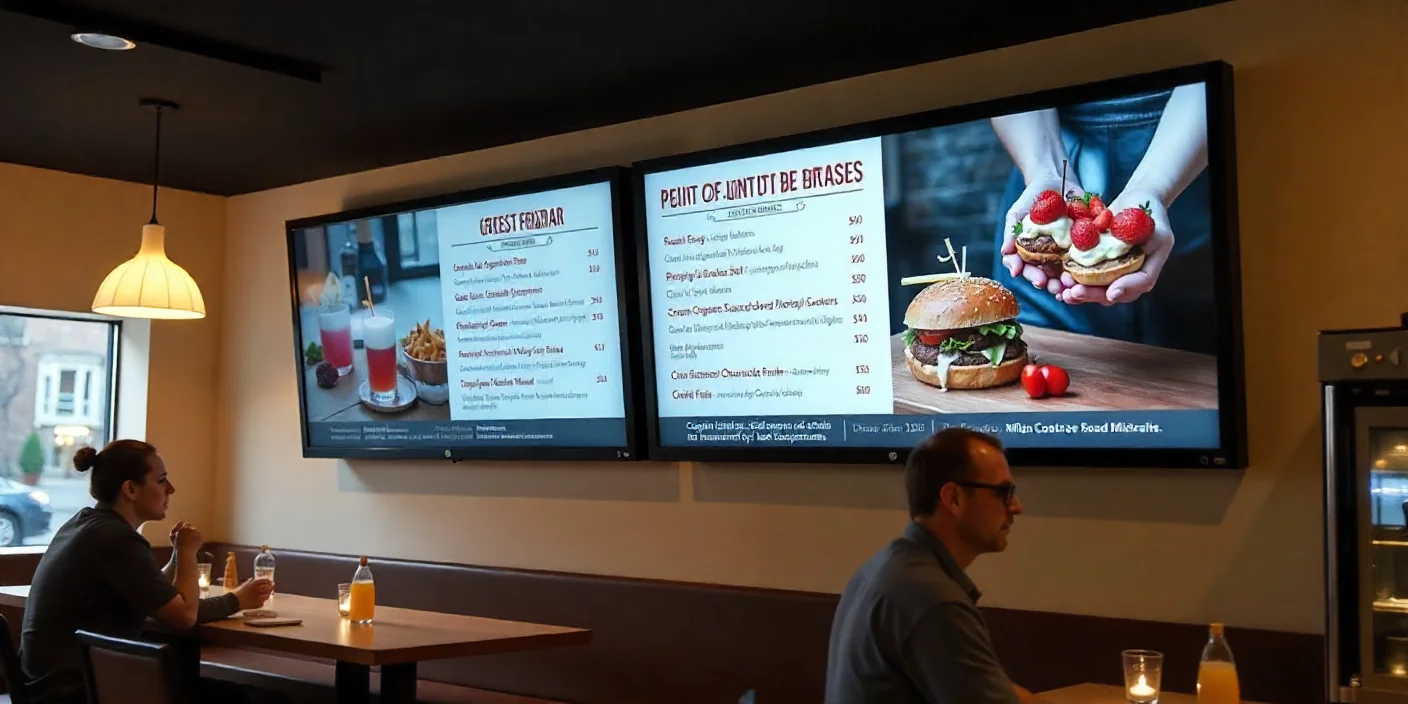
Breaking Down the Cost of Digital Menu Boards
The first mistake most restaurant owners make is that they focus only on the sticker price. The better question is, “What is the total cost of ownership?”
The cost of digital menu boards usually includes three major areas: hardware, software, and content/design. Each area affects your initial investment and your operating cost in the long term.
Hardware Costs: The Physical Gear
Hardware consists of screens, media players, mounts, cables, and installation materials. The cost of the screen is based on the size, brightness, resolution, and whether you want consumer-grade or commercial-grade displays.
Consumer TVs are cheaper and are suitable for small indoor restaurants, cafes, or low-risk areas. Commercial-grade screens are more expensive but are designed to operate longer, have higher brightness, and can be more reliable in business environments.
Cost is also influenced by media players. Simple indoor displays may use a Fire Stick or a simple Android device. Professional players are more expensive but tend to be more powerful, more reliable, and supportive of commercial deployments.
Installation and mounts are important too. A plain wall-mounted indoor display could cost less, whereas a multi-screen system, ceiling-mounted, or drive-thru installation will be more expensive due to labor, wiring, weatherproofing, and placement.
Software Costs: The Brain Behind the Screen
The usefulness of the screen depends on the software. A powerful digital menu app allows you to update the prices, modify items, schedule the menu, post promotions, and manage screens remotely.
Most providers use a SaaS model, meaning you pay per month or year. Annual billing can reduce cost, whereas monthly billing is more flexible. It is not the fee itself but what is included in the fee that is the most important.
Nento’s pricing is designed to keep the software category affordable so that the software category remains affordable and yet provides powerful menu control, templates, scheduling, and real-time updates. This is important since menu boards should not be expensive to install if they are not easy to manage.
Content & Design Costs
Your menu board design also affects the overall price. A basic DIY layout can be cheap, yet a poor layout can reduce readability and damage sales. A professional digital menu design price can be higher, but it may improve ordering flow, upsells, and customer decision-making.
Manual updates also carry a hidden cost. When staff spend time to edit files, change slides, or call a designer each time you need to change the prices, that time becomes part of your actual digital menu board pricing.
“The cheapest screen can become expensive if every update takes time, labor, and outside help.”
How Much Do Digital Menu Boards Cost?
So, how much do digital menu boards cost in practice? Most restaurant setups fall into three broad price ranges.
The Cheap Route: $300–$600
This path typically includes a consumer television, simple mounting, and a simple app. It can be used in a very small cafe, pop-up, or single-screen restaurant with few changes in menu.
The risk is reliability. Consumer screens might not be designed to run long hours in a business setting, and simple applications might not have a schedule, support, templates, or remote control. It may appear unprofessional when the content freezes, stretches, or appears low quality.
The Traditional Route: $1,000–$2,500 Per Screen
This represents the typical industry range of a more comprehensive installation comprising hardware, standard software, and basic installation. It is often appropriate in restaurants that desire dependable indoor digital menu boards and do not require a high level of interactivity.
This range can include superior displays, a more stable media player, professional mounting, and a paid software subscription. This is a practical middle ground for most restaurants.
The Premium Route: $3,000+
The premium systems offer interactive touchscreens, outdoor displays, drive-thru boards, high-brightness displays, or custom hardware. Such systems are costlier due to the fact that the environment is more challenging.
Why Drive-Thru Menu Board Pricing Is Higher
Drive-thru menu board pricing is usually higher than indoor pricing because outdoor screens must withstand weather, sunlight, heat, cold, dust, and extended operating hours. Brightness is also critical. A screen that appears clear indoors might not be readable in the direct sunlight.
External enclosures, commercial-grade panels, outdoor cabling, and professional installation all add cost. However, for high-volume restaurants, the investment can pay off with quicker ordering, improved upsells, and reduced menu errors.
Nento’s Sweet Spot
The software-only strategy of Nento assists restaurants to reduce costs by reusing the hardware where possible. Nento can turn your existing TVs or displays into professional menu boards without requiring a full hardware replacement.
This renders Nento a viable choice to restaurants that desire professional outcomes but have the investment closer to the lower end of the scale.
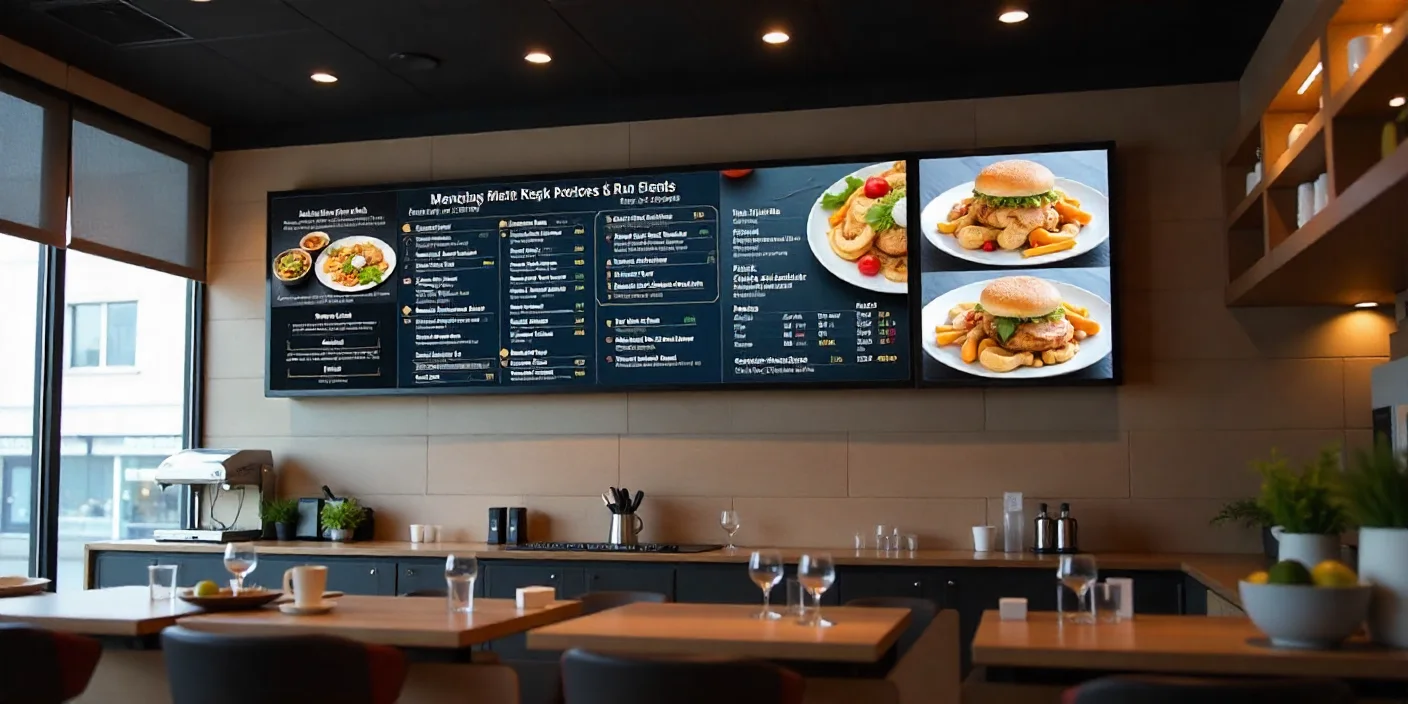
A Deep Dive into Digital Menu App & Pricing Models
Digital menu software uses different pricing models, and the pricing model you choose can influence your long-term expenses.
Per-Store Pricing
Some providers charge a price per location, e.g., a subscription fee per restaurant. This can be easy but can be costly if a store has only one or two screens in your store.
Per-Screen Pricing
Some providers charge per screen. This is effective in small systems but can become expensive for restaurants with more than one display screen or a large display network.
Value-Based Pricing
The best pricing model should reflect value: what you can actually do with the platform. Nento’s all-in-one approach can include the digital menu app interface, unlimited updates of the content, and real-time menu changes.
It implies that restaurants do not have to pay any additional amount each time they have to change a price, remove a sold-out item, or update a seasonal promotion.
Electrical Menu Pricing: The Utility Cost Factor
Electrical menu pricing is often overlooked, but the real issue is electricity cost. Screens consume electricity, and the price varies based on screen size, brightness, number of hours used, and the efficiency of the screen.
Nento helps reduce energy waste through scheduling features like sleep/wake timers. As an example, it can be set up to have screens automatically shut when closed or automatically turn to low-brightness settings during low-traffic times. That can reduce cost and extend hardware life.
The Overlooked Cost: Digital Menu Design Price
Most restaurants do allocate budgets towards screens and software and forget about design. However, design has a direct influence on the manner in which customers read, select, and order.
Why Design Matters
A poor menu board may cost you customers. Customers become hesitant in case the layout is confusing, text is too small, or promotions are hidden. Longer decision time slows the line and reduces upsell opportunities.
Good design helps customers move from ‘What do I want?’ to placing an order. It emphasizes high-margin products, organizes items into easy-to-read categories, and makes prices easy to read.
Free Templates vs. Custom Design
Free templates can be useful; however, many are generic or do not match your brand. Custom design is strong but might be costly in terms of menu board design cost or editing costs.
The price of a professional digital menu design may vary based on complexity, number of screens, animations, customization of a brand, and size of the menu. The more custom the work, the higher the cost.
Nento’s Advantage
Nento helps reduce design expenses by having built-in design tools and industry-specific templates. This means restaurants do not need to outsource all small changes to make clean and professional menus.
It implies that you will be able to make updates on your menu more quickly and do not have to rely on external designers to make usual updates.
Ready to see the Nento dashboard? Click here to book a demo and see how easy design can be.
Financing Your Digital Menu Upgrade
Digital menu boards should be considered in terms of ROI and not the initial cost. When the system enhances the average size of checks, reduces printing, eliminates pricing mistakes, and saves staff time, the system can begin to pay for itself over time.
The ROI Justification
Digital boards can be used to promote upselling by showcasing combos, add-ons, and offers that are only available at the moment of purchase. The right promotion can boost the average order value, and a promotion does not require staff to make the same offer throughout the day.
They also decrease the reprinting cost of the menus whenever the prices change. This saves restaurants money and time whose menus are frequent.
Payment Options
Direct purchase is normally the least expensive in the long term. You purchase the hardware and pay separate software fees on a continuing basis.
Leasing reduces the initial expense but can raise monthly payments. This can help restaurants maintain cash flow, particularly in upgrading a number of screens.
Digital menu board financing can be handled through flexible subscriptions, partner financing, or phased rollouts. A restaurant can begin with a one or two screens, demonstrate ROI, and grow.
Nento’s Flexible Approach
The flexible monthly subscription offered by Nento enables restaurants to begin without getting tied into unnecessary complexity. They include software updates, content tools, and ongoing improvements, which keep the business up-to-date without entering into unexpected upgrades.
Don’t let upfront costs stop you. Check our flexible pricing plans at Nento.
Avoiding Hidden Fees: What to Ask Before You Buy
The cheapest quote is not always the cheapest system. Hidden fees can appear after installation and increase the real digital menu board’s cost.
Common Gotchas
Some providers may charge content hosting fees, update fees, template fees, storage fees, training fees, support fees, or integration fees. Others might charge extra to integrate your POS or modify menu formats.
The largest red flag is paying on a per-edit basis. Restaurants change items and prices frequently, so update fees can quickly become costly.
What Nento Offers
Nento concentrates on the transparent pricing and viable flexibility. Restaurants will be able to handle updates, changes of menu, and promotions without paying extra for every minor modification.
The reason is that menus are operational tools. You ought not to be afraid of updating your screen because of another invoice.
Getting an Accurate Quote
When requesting digital signage restaurant menu quotes, ask for the full cost—not just the screen price. Hardware, software, integration, installation, content setup, training, maintenance updates, and integrations should be included in a full quote.
Get a custom quote from Nento today. No sales pressure, just transparent numbers.
Frequently Asked Questions
What is the average cost of a digital menu board system?
The average digital menu board system usually costs between $800 and $2,500 per screen installed. With Nento, you may reduce costs by using existing displays where appropriate.
Can I use my own TV to save money?
Yes. Nento can use off-the-shelf commercial or consumer TVs and may help reduce hardware costs over proprietary hardware systems.
Is there a monthly fee for digital menu software?
Yes. The majority of reliable providers, such as Nento, have a SaaS fee. This includes cloud storage, software upgrades, security, support, and platform enhancements.
How much does it cost to install digital menu boards?
The costs of installation differ based on the number of screens, wall type, wiring, mounting complexity, and installation type (indoor or outdoor). Nento may offer installation advice to reduce installation complexity, and physical installation may be assisted by the local AV installers.
What is the difference between a digital menu board and a regular TV?
They can resemble each other physically, but commercial signage screens tend to be brighter and are designed to operate longer hours per day. They can be employed in challenging conditions like drive-thru lanes. Nento software may be used on both the suitable consumer TVs and commercial displays.
Can I integrate my POS system?
Yes. Nento can also be integrated with the POS, where menu prices and item availability update automatically with your POS. This saves time and reduces pricing errors.
Conclusion
The real price of digital menu boards includes hardware, software, installation, design, support, and long-term updates. Looking only at the screen price is risky because restaurants may face additional costs and manual labor in the future.
Digital menu boards are more than a visual upgrade. They can assist in minimizing labor errors, automate pricing updates, enhance the upselling process, and make ordering smoother. That is a value in a competitive restaurant market.
Nento takes a software-first approach to managing menu boards in restaurants, reducing the need for hardware lock-in or to pay hidden update costs. Nento makes both a single-screen upgrade and a multi-location rollout straightforward and measurable.
Transform your restaurant today. Visit Nento to start your free trial and see your menu come to life.