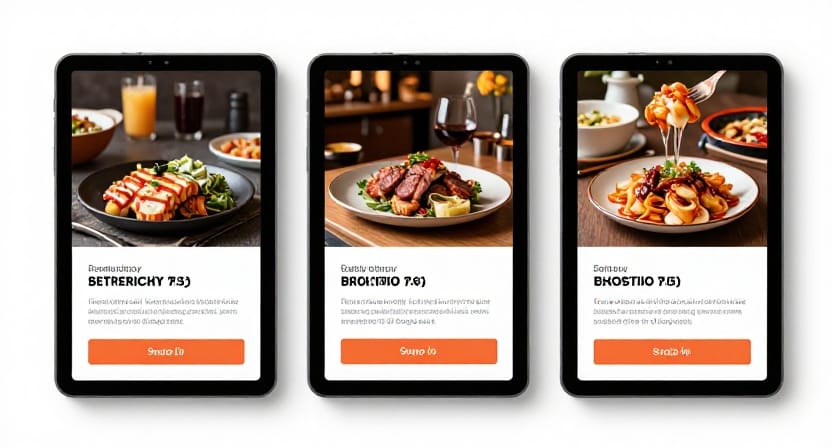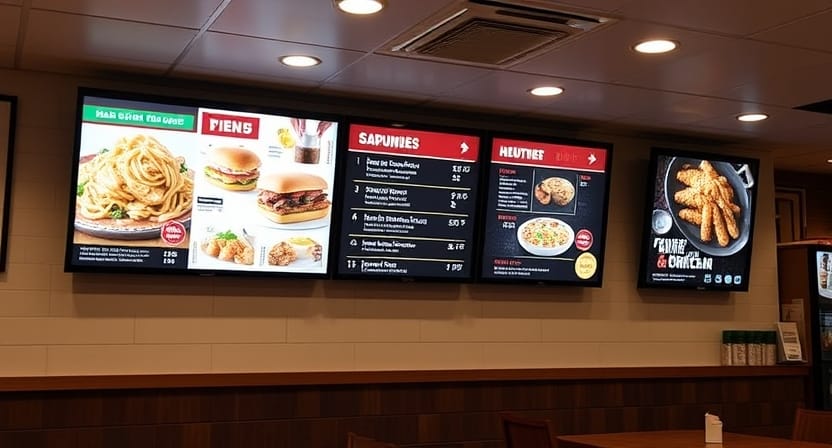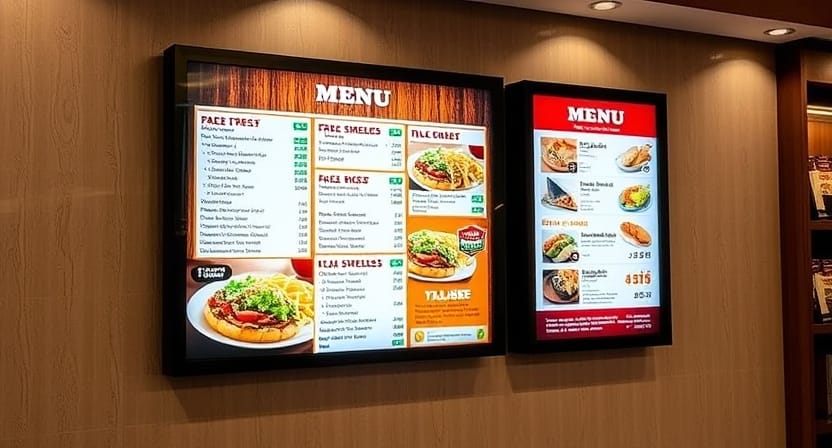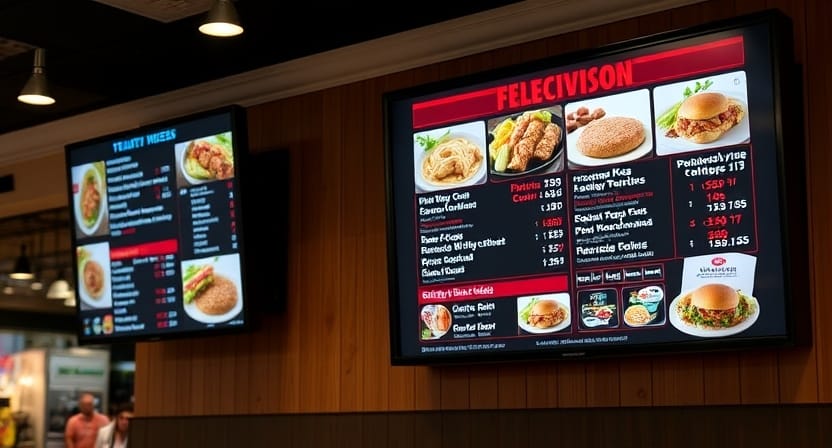
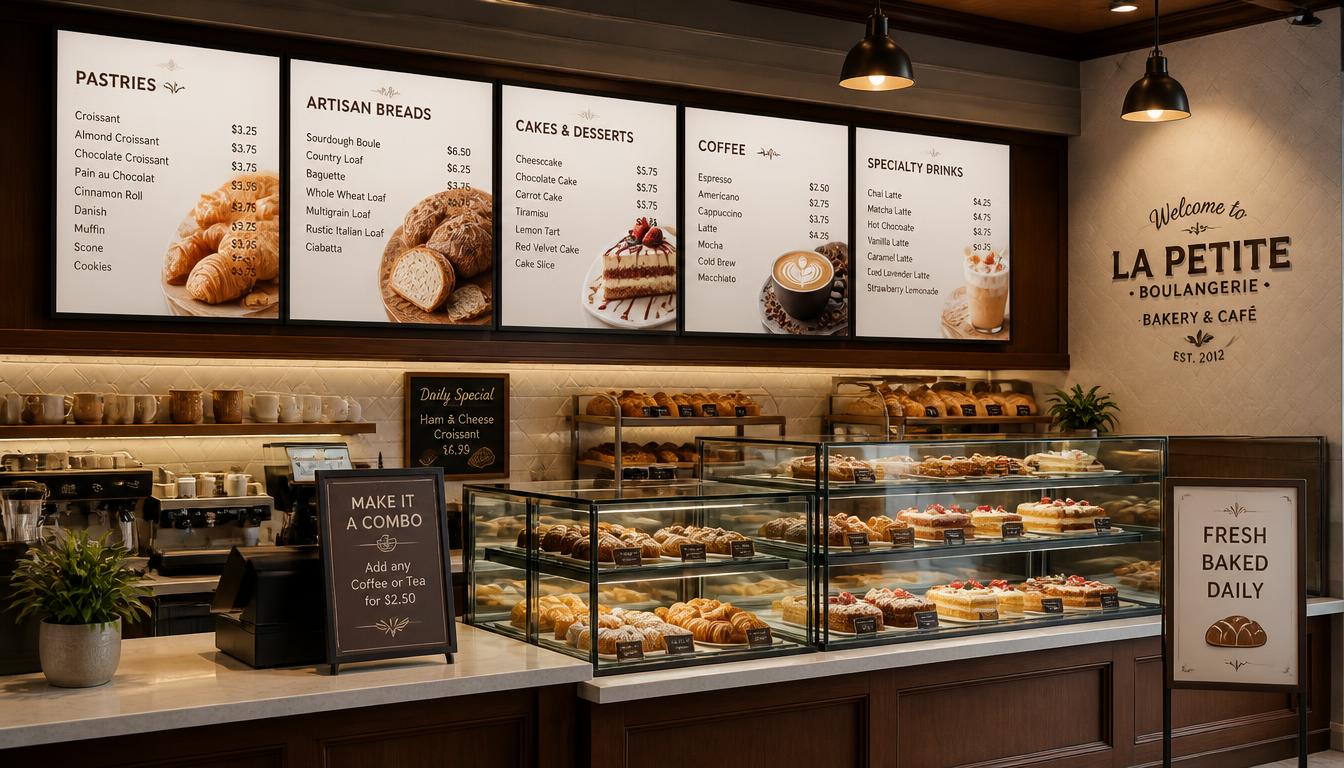
Introduction Enter a bakery, and the menu is not the first thing that you see. The aroma of hot bread, fresh croissants, butter, sugar, coffee, and cakes as they come…
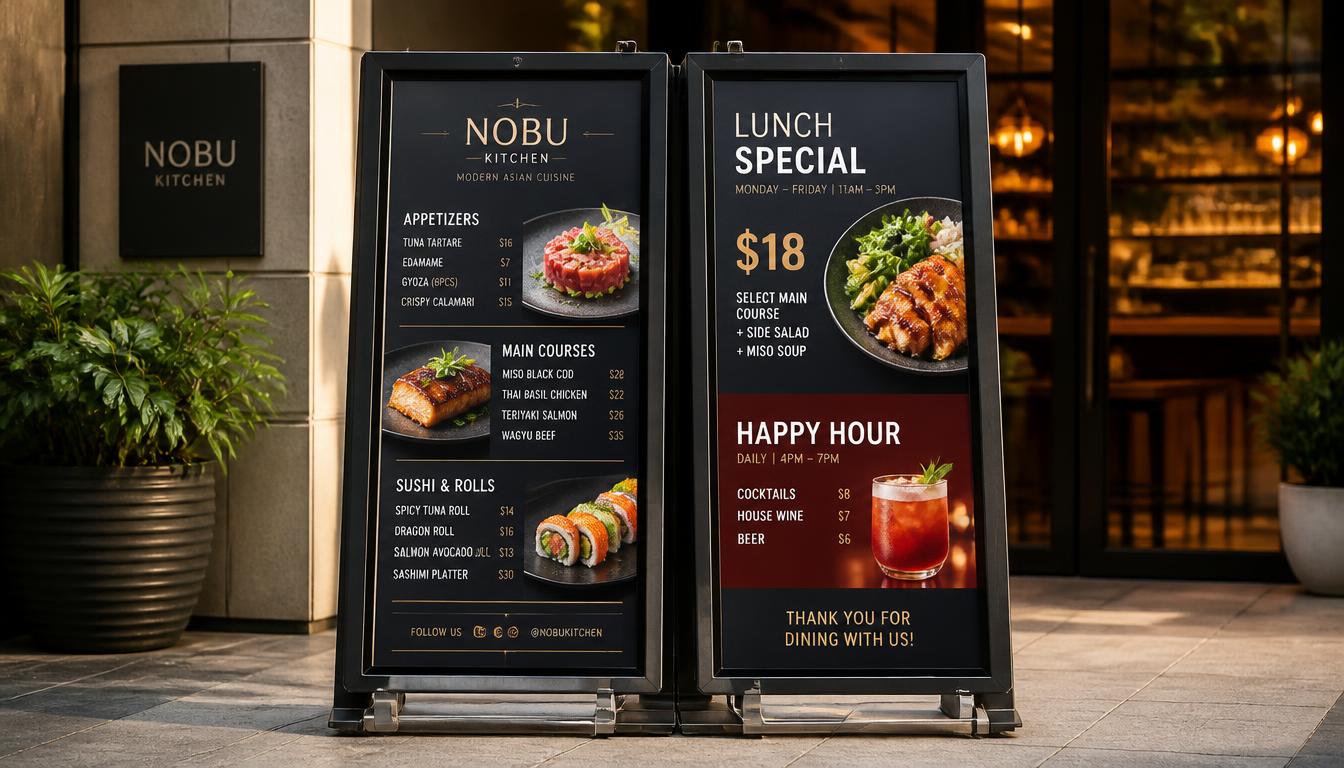
Introduction Street-level advertising has never been complicated: put up a sign out there, attract attention, and get people into the building. The traditional A-frame chalkboard has done that job over…
Introduction The internet is noisy. Screens are everywhere for customers in restaurants, shops, offices, hotels, workout centers, clinics and shopping malls. However, nowadays it is not sufficient to have a…
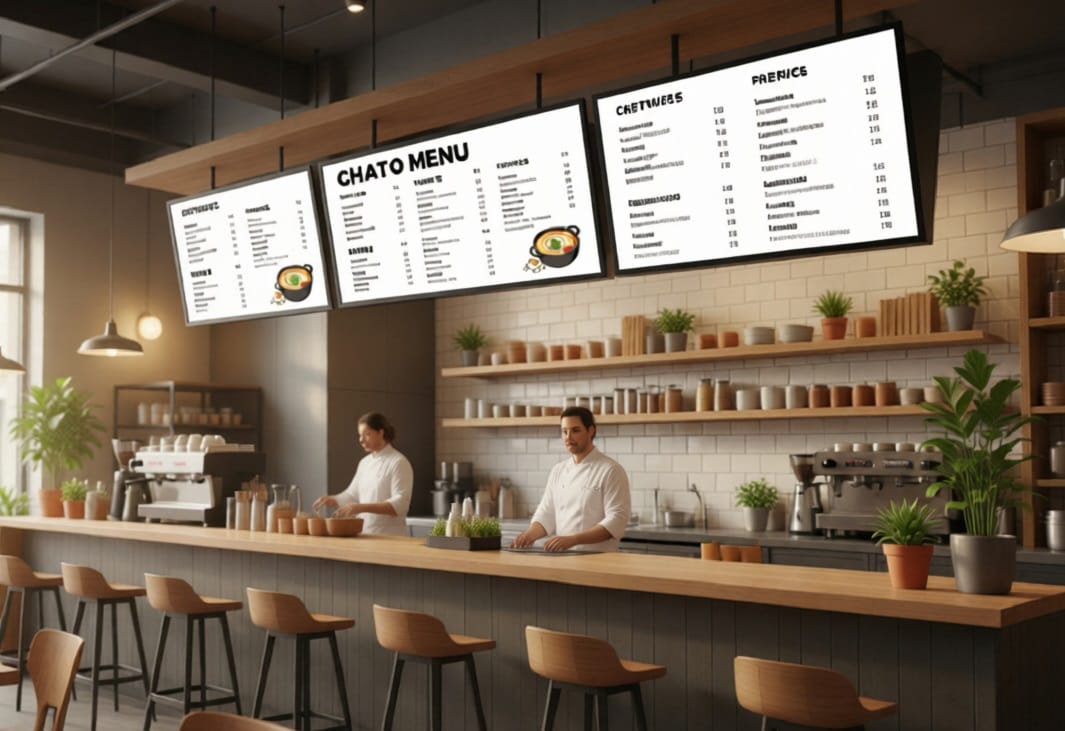
Introduction Restaurant menus have evolved. To begin with, there were chalkboards. Next came printed posters, laminated menus, backlit boards, and currently, dynamic digital displays. LED menu boards for restaurants are…
Introduction The era of printed menus is gradually disappearing. The first sight of what you can eat in a restaurant nowadays can be on a screen. Within a few seconds,…
Introduction The dining experience has evolved rapidly. Paper menus are becoming a thing of the past, cash tips are becoming quite rare, and customers are seeking quicker, cleaner, and more…
Introduction Printed menus used to be sufficient. A restaurant might create a menu, print it, and leave it on top of the counter, even for months. However, nowadays, such a…
Introduction Over the years menus have evolved. The early ones were chalkboards, then posters on paper, then laminated paper boards, backlit boards, and currently the LCD display menu. Digital screens…
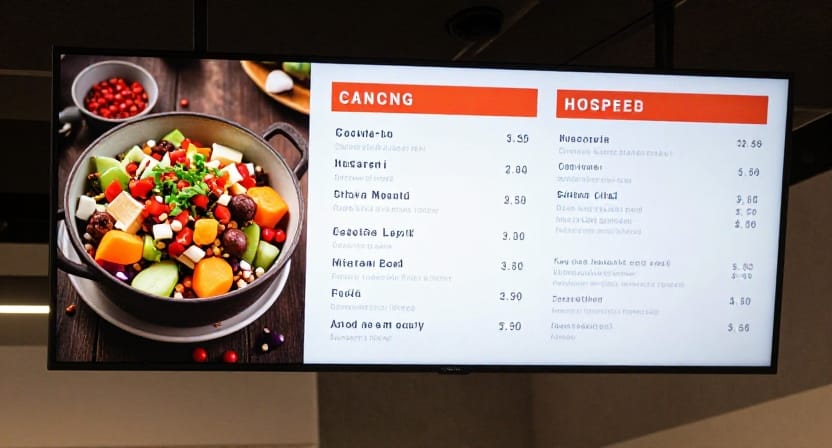
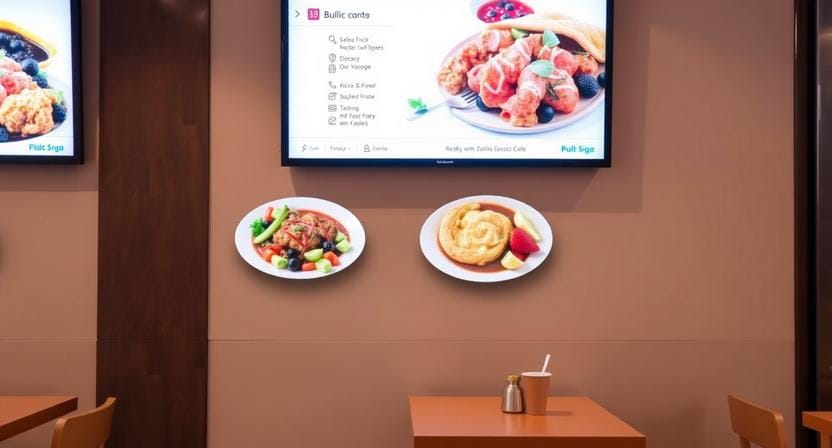
Introduction Go to virtually any contemporary fast-casual restaurant, cafe, bakery, or quick-service establishment, and you will find something slowly fading away: the laminated menu. Instead, television menu boards are taking…
Introduction Modern restaurants can no longer rely on the use of static posters and chalkboard menus. Your menu today is a living sales tool, which must be updated in real…